Published · Last reviewed · Plume editorial desk

Issue No. 2026 / Winter Edition

Resources

Tools for better conversations.

Simple reading tools to help you prepare, observe, and ask useful questions.

Preparation gives uncertainty a shape you can work with.

Reading tools

Printable sheets and preparation guides

Each resource below is a plain-language worksheet or short guide. They are designed to be printed or read on screen, and none of them requires an account. Accessible versions, including large-print and screen-reader-friendly formats, are available on request through the contact page.

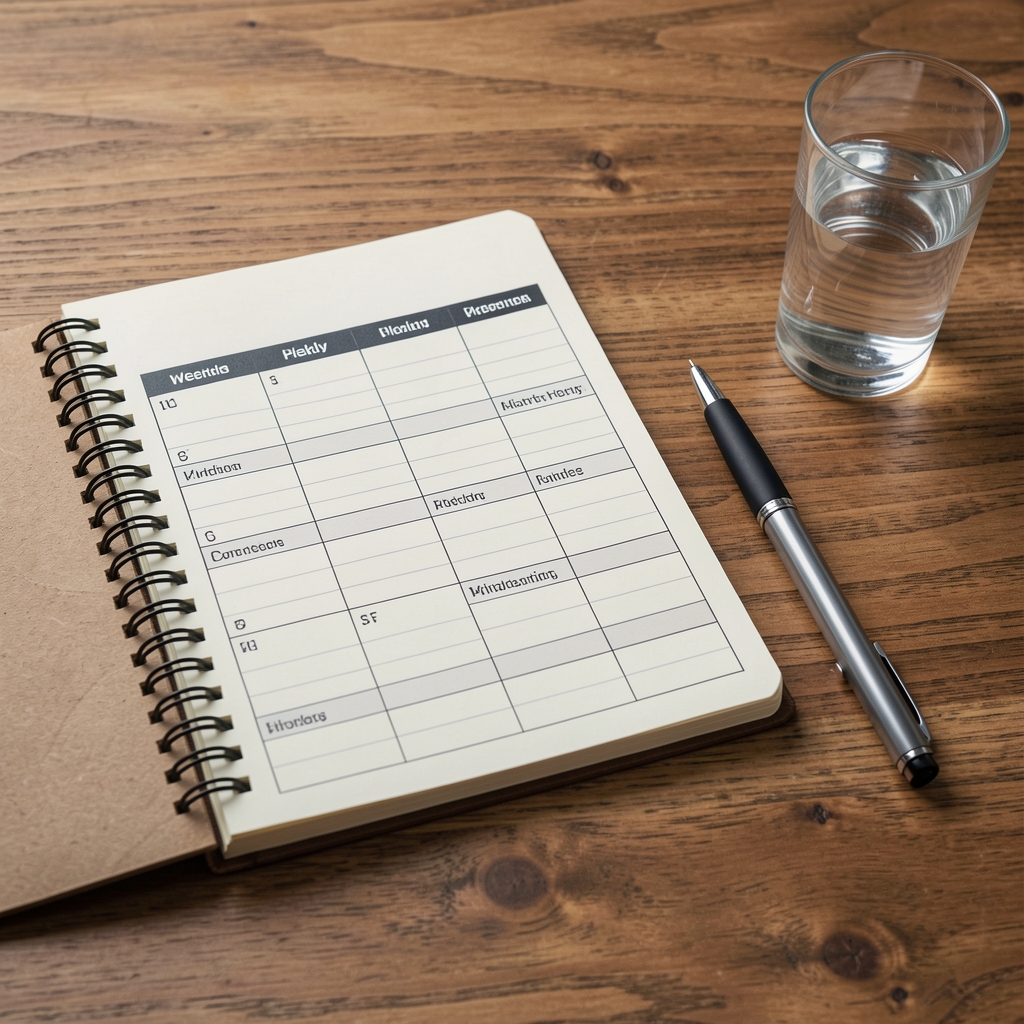
Notebook with a weekly health planning grid beside a pen and glass of water on a wooden desk

Weekly observation sheet

Note sleep timing, movement, meals, stress, and energy without turning the page into a scorecard. One page covers seven days, with space for a short written reflection at the end of the week.

Format: one-page worksheet, A4 or A5. Reading time: about three minutes.

Request an accessible copy →
Printed appointment questions beside reading glasses and a small potted plant on a desk

Appointment questions

Bring a short list of symptoms, timelines, medicines, and concerns to a qualified professional. The sheet offers prompts for describing a change clearly and for asking what to monitor afterwards.

Format: two-page guide with space for notes. Reading time: about five minutes.

Read the preparation guide →

Sleep and light diary

A simple grid for recording wake time, evening light exposure, caffeine timing, and how rested you felt. It is intended to reveal patterns over two weeks, not to rate a night as good or bad.

Read the sleep guide →

Home meal planner

A flexible planner built around familiar Indonesian ingredients such as tempeh, tofu, legumes, eggs, fish, and seasonal vegetables. It focuses on rhythm and variety rather than strict portions.

Read the nutrition guide →
Key terms

A short vocabulary for health conversations

Medical language can feel like a barrier. The terms below appear frequently in consultations and in written health information, and each is explained in everyday words.

Baseline

Your usual pattern before any change. Knowing a baseline makes it easier to describe what is different.

Screening

A check carried out in people who may have no symptoms, to find potential issues early. Which screenings are appropriate depends on age, history, and local guidance.

Risk factor

A characteristic or habit associated with a higher likelihood of a health issue. It is a statistical idea and does not predict what will happen to any one person.

Referral

A recommendation from one clinician to see another with more specialised training, such as a cardiologist or a physiotherapist.

Follow-up

A later appointment or check to review how a situation has changed since the last visit.

Second opinion

An independent assessment from another qualified professional, often sought when a decision feels significant or unclear.

Choosing a tool

Which resource suits which situation?

This decision matrix links common situations to a suitable reading tool. It is a navigation aid and does not assess your health.

If you are…ConsiderWhy it may helpWhere to find it
Preparing for a check-upAppointment questionsTurns scattered concerns into a short, ordered listMen's health
Curious about your weekly patternWeekly observation sheetShows how sleep, food, and movement relate over timeRoutines
Feeling tired and unsure whySleep and light diaryHighlights timing patterns worth discussing with a clinicianSleep
Planning meals for a householdHome meal plannerSupports variety without strict rulesNutrition
Carrying heavy workloadsOpen-loops pageMoves worries from memory to paperStress
Wooden bookshelf with printed health guides folders and a reading lamp in a quiet study corner
How we prepare resources

Written to be read, not to persuade

Every worksheet goes through the same editorial steps as our articles: a topic brief, a review of public health sources, a plain-language draft, and a check for wording that overstates evidence. The process is described in more detail in the editorial policy.

  • Sources are drawn from public health bodies and peer-reviewed literature.
  • Language is reviewed for accessibility, including reading level and contrast.
  • Resources are revisited at least once a year and dated when updated.

Readers who prefer a different format, such as large print or a text-only version, can write to the editorial office at Jalan Melati 15, RT.002/RW.005, Cilandak Barat, Jakarta Selatan, Daerah Khusus Ibukota Jakarta 12430, Indonesia, or call +62 812 5558 7643 during office hours.

A note on use

“A worksheet is only a prompt. Its value comes from what it helps you notice, and from the conversation it makes easier to start with a professional who knows your history.”

The Plume editorial team
Please note

Tools for reflection, not diagnosis.

The resources on this page support preparation and observation. They do not assess health, and they are not a substitute for care from a licensed professional. If something feels urgent, contact local emergency services or a clinic directly.

Read the disclaimer Contact the editors