Published · Last reviewed · Plume editorial desk
A practical vocabulary for balanced meals.
Good nutrition is shaped by pattern, preference, access, and culture—not a single perfect plate.
The table is both a source of nourishment and a record of how a household lives.
Think in patterns
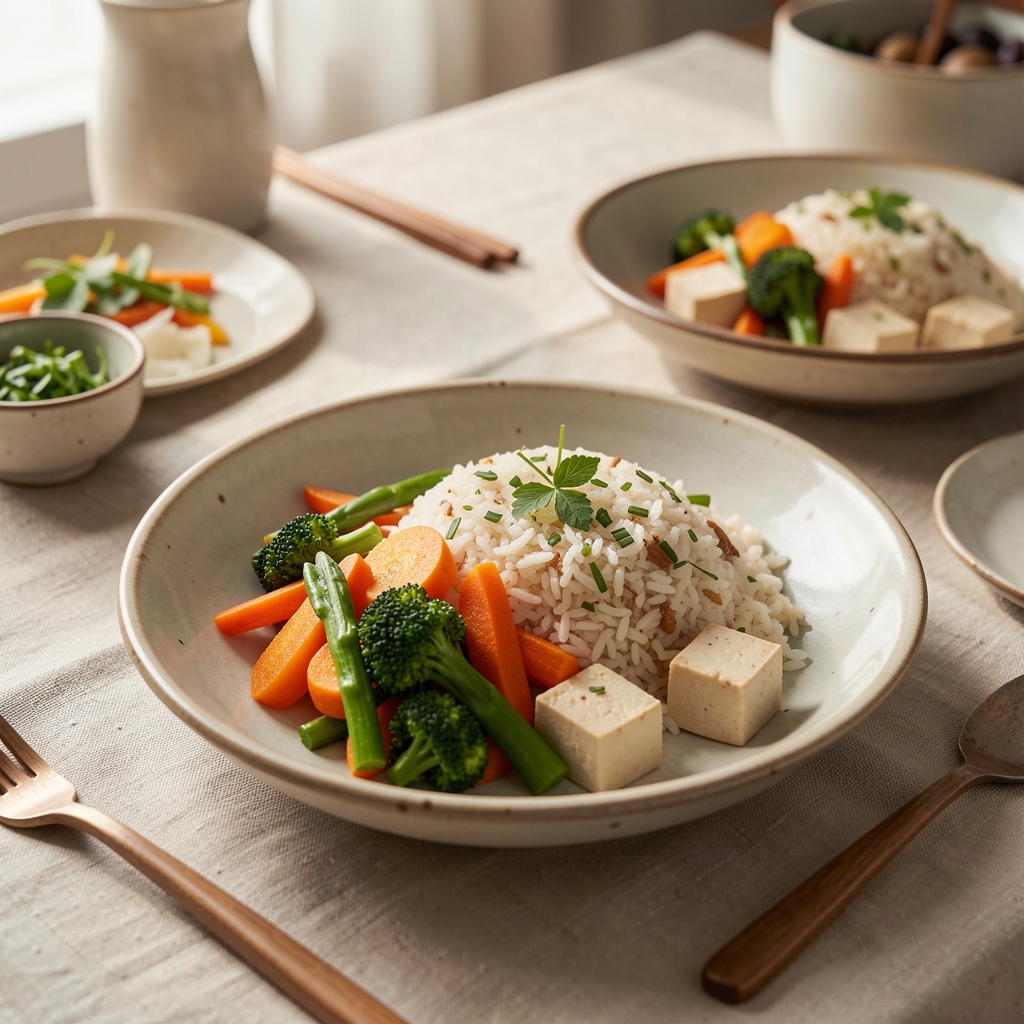
Rather than sorting foods into moral categories, look for variety across the week. Protein foods, fibre-rich plants, satisfying fats, water, and enjoyable flavours can coexist in a flexible pattern.
Medical conditions, allergies, medication, and changing nutritional needs call for individual advice from a qualified professional.
A meal planning matrix
| Question | Useful observation |
|---|---|
| Will it satisfy? | Include a source of protein and fibre where practical. |
| Will it be repeated? | Choose ingredients that fit your budget, kitchen, and culture. |
| Will it support the day? | Consider timing, hydration, and the work ahead. |
Reading a week of meals
A pattern becomes visible only when it is written down. Keep a plain list of what was eaten for five to seven days, without scoring it. The purpose is description, not judgement, and the notes are for you alone.
- Note the main meal of each day and whether it included a protein food such as fish, eggs, tempeh, tofu or lentils.
- Mark where vegetables, fruit or other fibre-rich foods appeared, and where they were absent.
- Record what you drank through the day, including water, tea and coffee, and when.
- Add a line about context: a long meeting, a late commute, a family gathering, a day of fasting.
- At the end of the week, circle one small change that fits your budget and kitchen, and try it for the following week.
The aim is a pattern that can be repeated on an ordinary Tuesday, not a perfect week that cannot be sustained.
Context shapes the plate
| Situation | Practical consideration |
|---|---|
| Long office days in Jakarta | Prepare one portable meal component the evening before, such as boiled eggs, cut fruit or a container of cooked vegetables. |
| Eating with family | Shared dishes already offer variety; notice the proportion of vegetables and protein foods on the table. |
| Fasting periods, including Ramadan | Pay attention to hydration and to the content of the meals before dawn and after sunset. Anyone with a medical condition should seek individual advice. |
| Tight weekly budget | Seasonal vegetables, eggs, tempeh and tofu from a local market are widely available and fit many budgets. |
| Frequent travel | Look for familiar patterns in unfamiliar menus: a protein food, a vegetable dish and a staple such as rice. |
Questions readers often ask
Is there a single correct way to eat after 30?
No. Nutritional needs vary with age, activity, health conditions, medication and culture. General guidance from bodies such as the World Health Organization and Indonesia's Ministry of Health describes broad patterns, including variety, plenty of vegetables and fruit, and limiting excess salt and sugar. These are starting points for a conversation, not individual prescriptions.
How should I think about packaged foods?
Reading the ingredient list and the nutrition information panel is a practical habit. Compare similar products on salt, sugar and fibre, and treat labels as information rather than as a verdict on a food.
When is individual advice appropriate?
Allergies, diabetes, kidney or heart conditions, digestive symptoms, unexplained changes in weight and the use of regular medication all call for advice from a registered dietitian or doctor. Plume's disclaimer explains the limits of general information.
Meals are repeated hundreds of times a year. Small, realistic adjustments to ordinary meals usually matter more than occasional, elaborate ones.
Continue reading with the routines and movement guides, or return to the guides index.