Published · Last reviewed · Plume editorial desk

Issue No. 2026 / Winter Edition

Field note · Environment

Your surroundings are part of the plan.

Heat, noise, air, light, transport, and access to green space influence the choices available to a person each day.

A healthy habit cannot be separated from the room, street, climate, and community that receive it.

Improve one corner

Look for the place where a small environmental change could remove friction: a shaded walking route, a prepared water bottle, a quieter sleep setting, or a workspace with more daylight.

It is easy to treat health as a matter of personal willpower, when much of what we do is shaped by what is easy to reach. A person who lives beside a shaded footpath is more likely to walk than someone whose nearest pavement is exposed to midday sun. A kitchen with fruit visible on the counter invites a different snack than one where the first thing seen is a packet of biscuits.

For that reason, many of the most practical changes are physical and local. They cost little, they do not rely on motivation, and they often benefit the whole household. Choose one corner, such as the bedside, the desk, the hallway, or the front door, and ask what would make the healthier option the easier one.
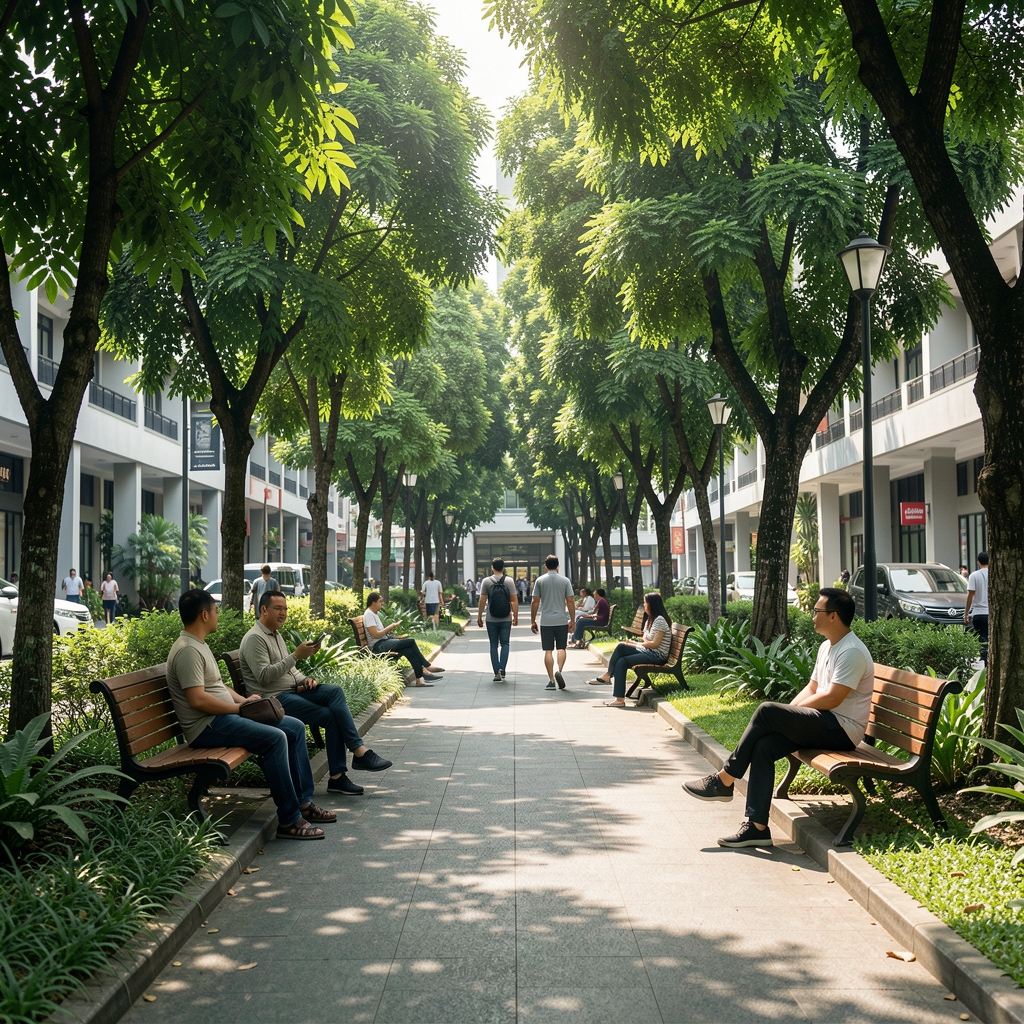
Shaded green public space in Jakarta with a walking path and adults enjoying fresh air
Three things to notice

Heat, noise, and access

These three conditions come up often in conversations with readers in Jakarta and other Indonesian cities.

Notice heat

Plan movement and hydration with the local climate in mind.

In a tropical city, early morning and late afternoon are typically more comfortable for walking or light exercise. Drinking water regularly, wearing breathable clothing, and resting in shade when needed are practical measures. Dizziness, confusion, or an unusually rapid heartbeat in hot conditions should be taken seriously and assessed promptly.

Notice noise

Quiet intervals can be valuable in dense urban environments.

Traffic, construction, and neighbours are part of city life. Earplugs, a fan that produces steady background sound, or a ten-minute pause in a quieter room can make a difference to attention and sleep. Some readers find that a regular visit to a mosque courtyard, library, or park provides the same relief.

Notice access

Choose strategies that work with available resources.

Not everyone has a garden, a gym, or a safe route for walking. Strategies that use stairs, a local market, or a short circuit around the neighbourhood are valid. The most suitable plan is the one that fits the actual street, budget, and schedule.

5environmental factors reviewed: heat, noise, air, light, and space
3settings considered: home, workplace, and neighbourhood
1small change is the suggested starting point
4times of day compared for outdoor movement
At a glance

Environmental factors and practical responses

The table below summarises factors that readers commonly raise, together with modest responses. It is a general overview and does not replace local public health guidance.

FactorEveryday effectPractical response
Heat and humidityFatigue, reduced appetite for activity, disturbed sleepMove early or late in the day; keep water nearby; use fans and ventilation at night
Air qualityIrritated eyes or throat on poor air daysCheck local air-quality reports and choose indoor activity on high-pollution days
NoiseDifficulty concentrating and falling asleepUse steady background sound or earplugs; create a quiet corner
LightDisrupted body clock when daylight is scarceSpend time near a window or outdoors in the morning
Green spaceOpportunities for walking, rest, and social contactIdentify the nearest shaded park or path and visit it on a regular day
CommuteLong periods seated and low activityGet off one stop early, use stairs, or walk part of the route when safe
A room-by-room checklist

Small adjustments around the home and workplace

At home

  • Keep a filled water bottle where it can be seen.
  • Place fruit or nuts in a visible bowl, and put less nutritious items out of sight.
  • Use curtains or blinds to keep the bedroom dark and cooler at night.
  • Keep walking shoes by the front door.
  • Charge the phone outside the bedroom if it disrupts sleep.

At work

  • Position the desk near daylight where possible.
  • Set a reminder to stand or stretch each hour.
  • Identify a quiet place for short breaks.
  • Walk to a meeting instead of calling when practical.
  • Suggest a shared water dispenser or a lunchtime walking group.
Editorial reflections

Short notes from the editorial desk

“The environment is not an excuse. It is the starting point for a plan that can actually be carried out.”
“Shade, water, and a safe path are often more useful than a new piece of equipment.”
“Ask not what you should do, but what would make the useful thing easier to do.”
Common questions

Questions about health and surroundings

What should I do on days with poor air quality?

Public health agencies commonly suggest reducing prolonged outdoor exertion and, where possible, choosing indoor activity. Consult local air-quality information and follow guidance from the Indonesian authorities and your clinician, especially if you have a respiratory or heart condition.

I live in a small apartment. What can I realistically change?

Start with light, water, and one dedicated corner for a short routine. Even a small, tidy space near a window can become a place for stretching, reading, or a few minutes of quiet.

How can I tell if my environment is affecting my sleep?

Keep a short note for two weeks recording temperature, noise, light, and how rested you feel. Patterns often become visible, and the notes can be shared with a clinician if sleep remains a concern.

Please note

General information, not environmental or medical advice.

The content here is written for general education. Local conditions change, and individual sensitivity varies. For specific concerns about heat, air, or noise, consult local public health guidance and a qualified health professional.

Read about recovery Read the disclaimer